Fire Safety at Home and Work: Gas, Generators and Wiring
Gas cylinders, generators and wiring are three common fire starters you can control. Learn the simple placement, storage and checking habits that cut the risk at home and in a shop or office.
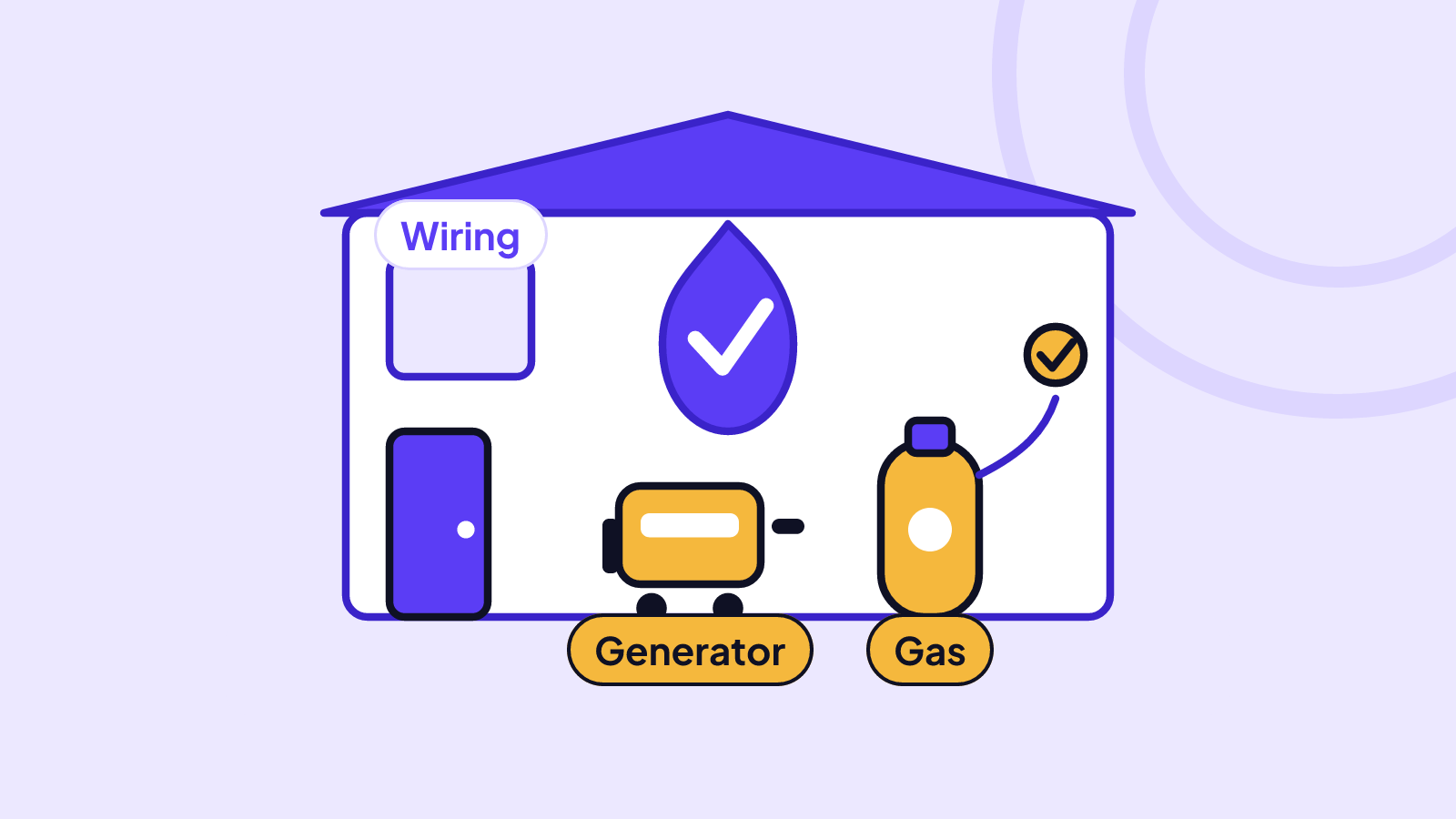
Gas cylinders, generators and wiring are three common fire starters that you can control. Keep gas upright and well ventilated, run generators outdoors and let them cool before refuelling, and get a qualified electrician to fix any wiring that heats up, sparks or keeps tripping. Small habits, repeated, prevent most of the damage.
Key takeaways
- Store gas cylinders upright, in open or well-ventilated space, away from heat and never in a bedroom.
- Run a generator outdoors, away from doors and windows, and never refuel it while it is hot or running.
- Warm plugs, burning smells and breakers that keep tripping are warnings, not nuisances.
- Keep an extinguisher or fire blanket within reach, and clear your exits.
- Insurance helps after a loss, but a policy may also expect your fire precautions to be in working order.
How do you keep a gas cylinder safe?
Cooking gas is heavier than air, so a leak sinks and collects low down, near the floor or in drains, until something ignites it. That shapes most of the advice.
- Keep the cylinder upright, on a firm, dry surface, in a ventilated spot. Do not store it in a bedroom, a closed cupboard or a basement.
- Keep it away from the stove flame, heaters, direct sun and any generator exhaust.
- Check the hose and regulator for cracks, and replace them when they look worn.
- Test for leaks with soapy water brushed on the joints. Bubbles mean a leak. Never use a naked flame to test.
- Close the valve when you finish cooking, and always at night.
- If you smell gas, do not switch lights or appliances on or off. Open windows, close the valve if it is safe to reach, leave and call for help.
At a shop or small restaurant, keep spare cylinders outside the sales area, and keep customers and stock away from the cooking point.
Where should a generator go, and how do you store fuel?
Generators are part of everyday life with an unreliable grid, and they carry two dangers: fire and carbon monoxide, a colourless, odourless gas from exhaust that can kill quietly in an enclosed space.
- Run the generator outdoors, in the open, well away from windows, doors and vents so fumes do not drift inside. A covered porch or a closed room is not safe.
- Keep it on level ground, off flammable material such as dry leaves, cartons and fabric, and out of the rain.
- Switch off and let it cool before you refuel. Petrol spilled on a hot engine can ignite.
- Store petrol in a proper, sealed fuel container, in small quantities, away from the generator, the kitchen and where people sleep. Do not keep fuel in drink bottles.
- Never connect it to the house wiring by improvised means. Use a proper changeover switch fitted by a qualified electrician, so power does not flow back into the grid and endanger others.
- Service it on schedule. A clogged exhaust, a leaking fuel line or a dirty engine raises the risk.
If you are choosing cover for the machine itself, see how to insure your generator.
What wiring habits stop electrical fires?
Electrical fires often build up slowly. Overloaded sockets, damaged cables and poor connections heat up long before anything ignites.
- Do not chain extension boards or run a heater, iron, fridge and air conditioner off one socket.
- Use cables rated for the load, and replace any with cracked, taped or exposed wires.
- Feel plugs and adaptors now and then. If they are hot, or smell of burning, stop using them.
- Treat a breaker that keeps tripping as a message that something is wrong. Do not tape it or bypass it.
- Use a qualified electrician for new points, rewiring and changeover installations.
- Add surge protection for sensitive equipment. Our guide to power surges and your electronics explains how.
- Switch off and unplug appliances you are not using, especially when you leave the house or close the shop.
What does this look like in a real home and shop?
A household example. A family keeps its cooking gas cylinder in the kitchen cupboard, charges phones off a crowded extension board, and parks the generator under the back veranda close to the bedroom window. Three small changes help. They move the cylinder to a ventilated, upright spot near the kitchen door, replace the overloaded board with fewer, properly rated sockets, and move the generator to open ground, well away from the windows. They also put a fire blanket or small extinguisher near the exit of the kitchen and fit a smoke alarm in the passage.
A business example. A provision shop sells packaged goods, cartons stack to the ceiling, and a generator sits just outside the back door beside a jerrycan of petrol. The owner does a monthly walk-round. She keeps stock away from sockets and the generator, moves fuel to a safe place away from the shop, keeps aisles and the exit clear, checks every extension for heat or damage, and tests that the extinguisher is in date and easy to reach. She also switches everything off at closing. For a wider view, read insuring a small shop.
Where does insurance fit in?
Prevention comes first, but insurance is the safety net when something still goes wrong. Fire and special perils cover, which pays for fire, lightning, explosion and listed extras such as storm and flood, usually expects you to keep fire precautions in working order and to insure for full value. If you insure below full value, the average clause, which reduces a payout in proportion to how underinsured you are, can cut your claim. With a weaker naira pushing replacement costs up, values set a year or two ago may now be too low.
After a fire you will usually need photos, proof of ownership and value, and a fire service report where the service was called. Logging your cooker, generator, stock and equipment in VaultLog, with photos, receipts and serial numbers, keeps that proof in one place. Read more in fire insurance explained.
Frequently asked questions
Is it safe to keep a gas cylinder inside the kitchen?
It can be, if the kitchen is well ventilated, the cylinder is upright and away from the flame, and the hose and regulator are in good condition. Many people prefer a spot just outside or by an open door. Never keep it in a bedroom or closed cupboard.
Can I run a generator in the garage or on the veranda?
It is safer to run it fully outdoors, in the open, away from windows, doors and vents. Fumes can build up in garages and covered verandas and enter the house, even with the door open.
How often should I check wiring and extensions?
Look at plugs, cables and sockets monthly, and sooner if you notice heat, sparks or a burning smell. Have a qualified electrician inspect the installation if breakers trip often or the wiring is old.
Will insurance pay if a fire starts from my generator or wiring?
Fire cover usually pays for fire damage from covered causes, but the policy wording governs, and conditions such as maintaining fire precautions and insuring for full value matter. Check your wording or ask Cova.
Start a vault and talk to Cova when you are ready to log what you own and keep its proof safe.