How to Value Your Assets for Insurance, and How Often to Update
Insure most things at replacement cost, use the right method for electronics, jewellery, vehicles, buildings and stock, and revalue at least yearly so your cover keeps up with prices.
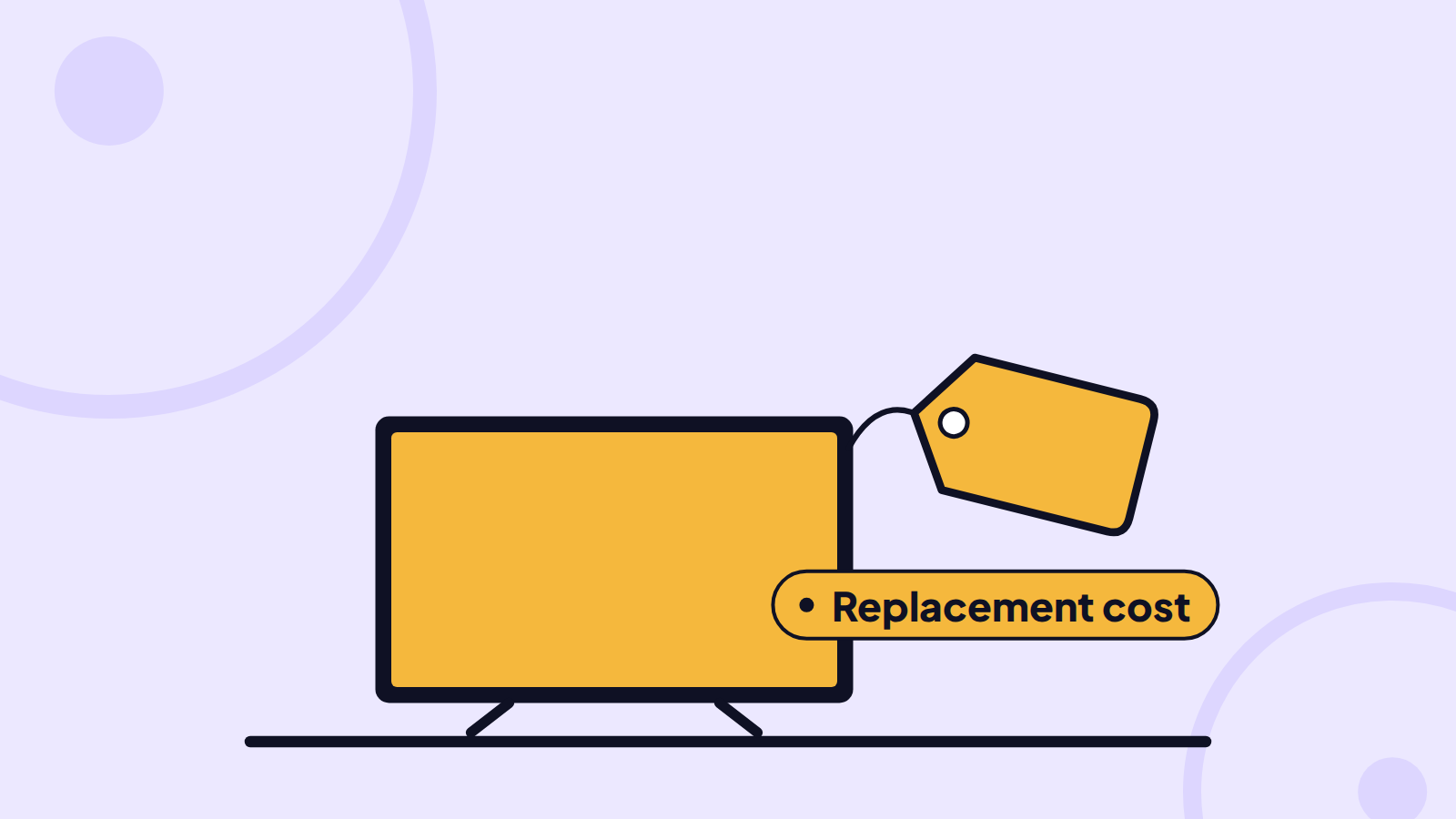
Value most belongings at replacement cost, meaning what it would cost to buy the same or an equivalent item new today. Use a valuation certificate for jewellery, the rebuild cost for buildings and the cost price for stock. Check values at least once a year at renewal, and straight away after a big purchase, a renovation or a price rise.
Key takeaways
- Insure most items for what it costs to replace them new today, not what you paid or what they would sell for.
- Each type of asset is valued differently: retail price for electronics, a valuation certificate for jewellery, rebuild cost for buildings and cost price for stock.
- Check values at least once a year, and straight away when something changes, such as a big purchase, a renovation or a rise in prices.
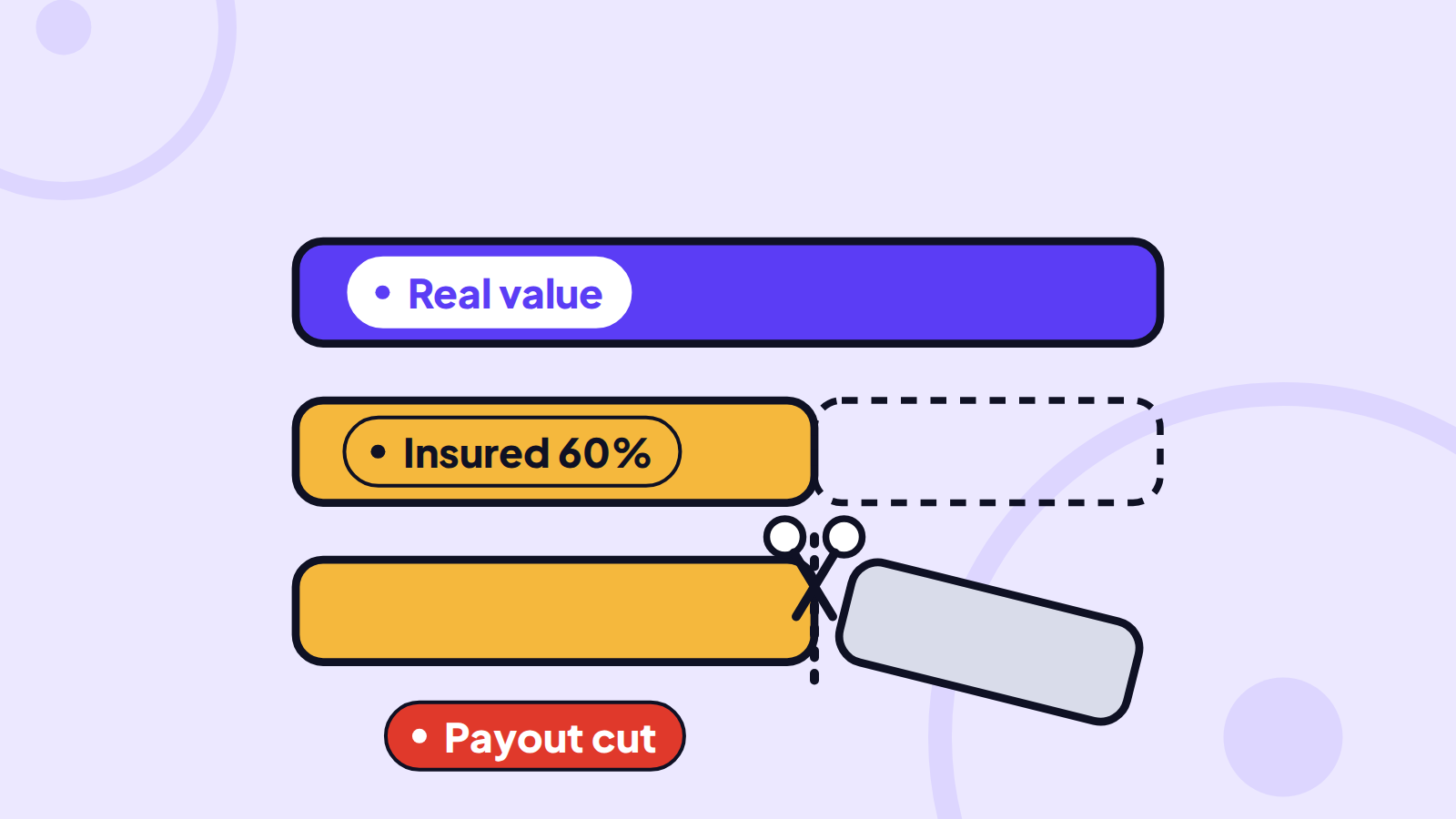
- If your values fall too low, the average clause reduces every claim in proportion.
Should you use replacement value or market value?
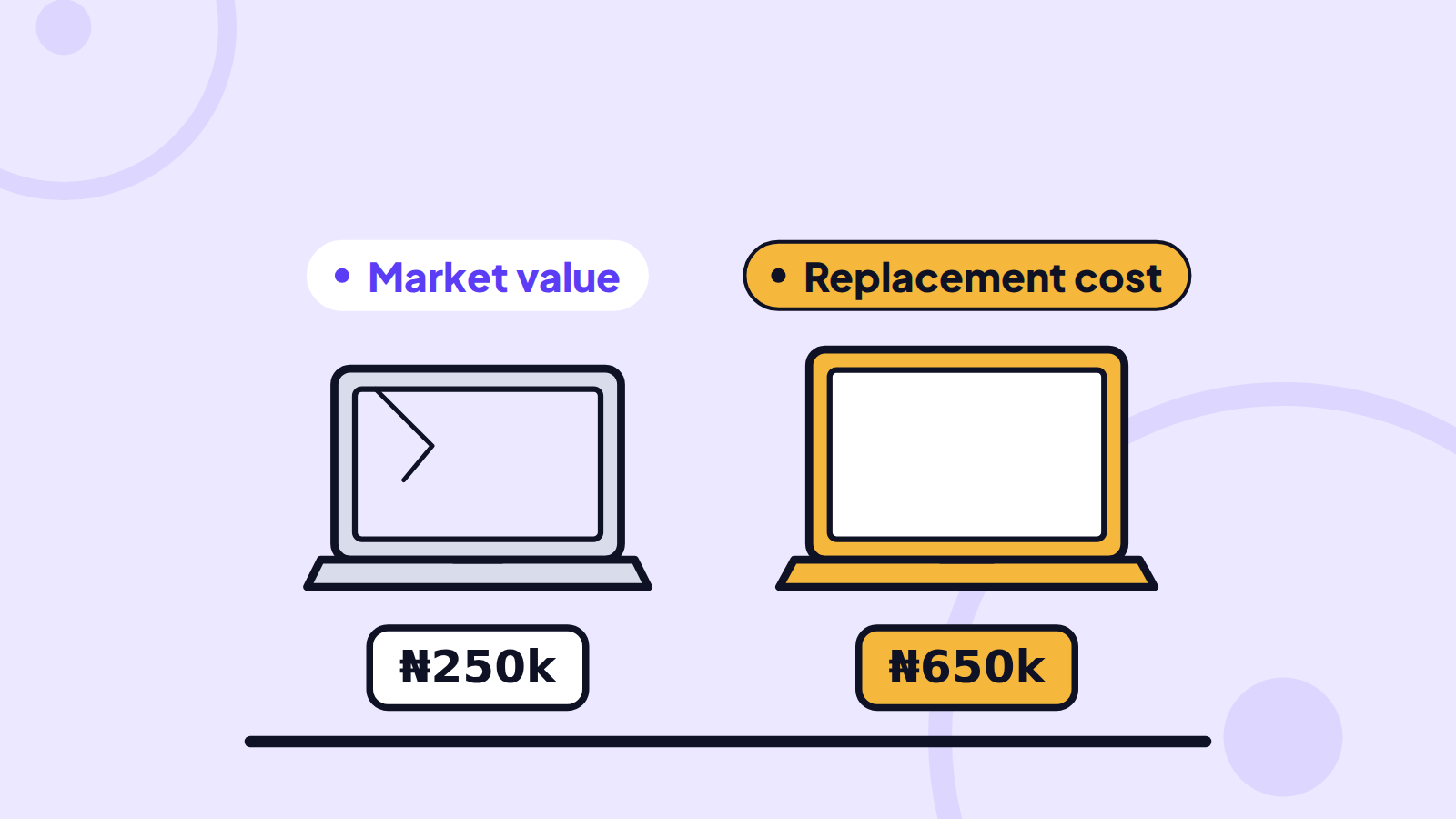
Your sum insured is the value you declare for an item, and it is the most the policy will pay. For most household and business items, set it at replacement value: what a new equivalent costs today. Market value is what your used item would sell for, and it is usually lower. Replacement value vs market value explains both in detail.
Getting the value right matters in both directions:
- Too low and you are underinsured. Many policies then apply the average clause, which pays only the same share of a loss as your sum insured is of the true value.
- Too high and you pay extra premium for nothing. Insurance works on indemnity: a claim puts you back where you were, never better off, so you are only ever paid for the actual loss.
How do you value each type of asset?
Electronics and appliances. Find the current price of the same model at a retailer you trust. If it is no longer sold, use the nearest equivalent. Add delivery and installation if you would pay them. Imported items follow the exchange rate, so check these more often than anything else.
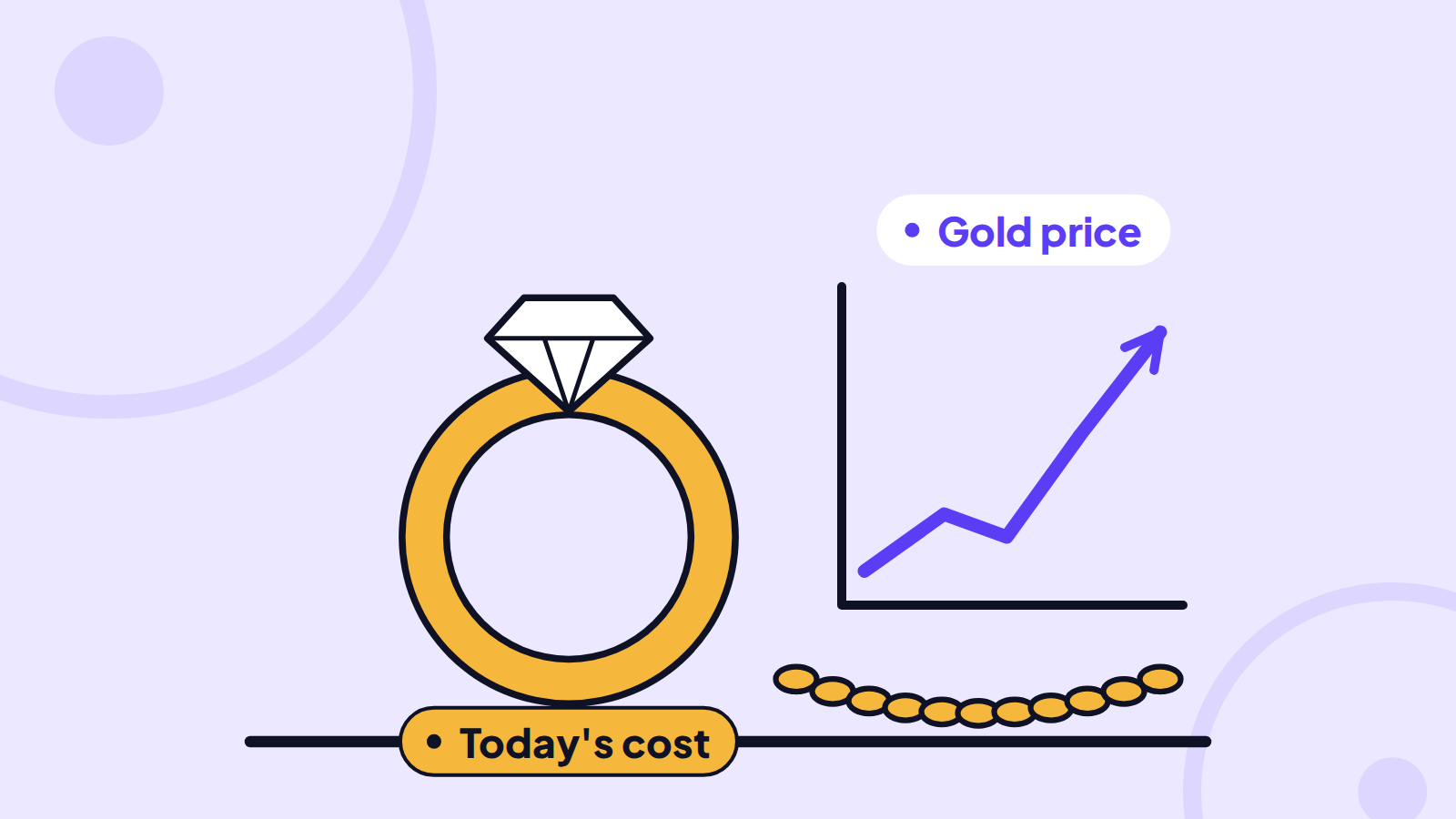
Jewellery and watches. A photo shows what a piece looks like but does not prove what it is worth. Get a written valuation certificate from a reputable jeweller or valuer, listing the metal, weight, stones and replacement price. Underwriters often ask for one for higher-value pieces. Gold prices change, so renew the certificate every few years, or sooner if prices move sharply. See jewellery insurance for more.
Vehicles. A car is usually insured for what it would cost to buy one of the same make, model, year, mileage and condition today, not a brand-new one. Compare recent dealer prices and include fitted extras such as a tracker. Used car prices also rise when the naira weakens, so do not leave last year's figure in place.
Buildings. Insure the rebuild cost: what it would cost to clear the site and rebuild the same building with similar materials today, plus professional fees. This is not the market price of the property, because that includes the land, and land does not burn. Ask a builder or quantity surveyor for a current cost per square metre. Include the fence, gatehouse, boys' quarters and fixed fittings.
Business stock. Insure stock at cost price, meaning what you paid the supplier plus freight and duties, not what you sell it for. Allow for peak seasons when you hold more. How to insure business stock covers this in detail.
Equipment and machinery. Use the cost of a new replacement, including delivery and installation.
Everyday contents. Furniture, clothes and kitchenware are easiest to value room by room at current shop prices. Do not skip the small things: ten items at ₦80,000 each come to ₦800,000. Gifts and inherited items count too.
How often should you update the value of what you own?
A valuation is only accurate on the day you do it. Most households and small businesses do well with this routine:
- Once a year at least: a full review of everything, ideally at renewal.
- Every six months for items whose prices move quickly: imported electronics, generators, solar equipment and vehicles.
- Every three months for traders: check stock levels and supplier prices if either changes a lot.
You do not have to wait for renewal. On VaultCova you can raise a sum insured during the policy year. A figure raised at renewal only covers incidents in the new period, so if prices have already risen, do not wait. Renewal and valuation reminders are included on every plan, Free included.
What should prompt a revaluation straight away?
- Renewal is coming up. The renewal window opens in the last 30 days of the term, which is a good time to check every figure.
- You buy something significant, such as a TV, laptop, fridge, generator, camera or machine.
- You receive a gift or inherit items.
- You renovate or upgrade, for example new tiling, built-in wardrobes, an inverter or a solar setup.
- Prices rise, often because the naira has weakened and imported goods cost more.
- You start a side business or work from home. Equipment and stock may need their own values and cover.
- You sell, give away or lose something. Remove it so you are not paying to protect it.
How do values drift into underinsurance?
Here is an example. Two years ago, Tunde insured his home contents for ₦4,000,000:
- TV: ₦650,000
- Laptop: ₦900,000
- Generator: ₦750,000
- Fridge: ₦550,000
- Furniture and everything else: ₦1,150,000
He never updated the figures. At today's prices, replacing the same items costs:
- TV: ₦980,000
- Laptop: ₦1,400,000
- Generator: ₦1,150,000
- Fridge: ₦820,000
- Furniture and everything else: ₦1,650,000
That totals ₦6,000,000, so he is insured for only two thirds of the true value.
Then a burglary takes the TV and laptop, a loss of ₦980,000 + ₦1,400,000 = ₦2,380,000 at today's prices. Under the average clause, the payout is ₦2,380,000 x (₦4,000,000 ÷ ₦6,000,000), about ₦1,586,667, before any excess. Tunde pays the remaining ₦793,333 himself.
Updating the values would have cost far less. As an illustration, at a householder's rate of 0.95% a year, raising the sum insured from ₦4,000,000 to ₦6,000,000 adds ₦2,000,000 x 0.95% = ₦19,000 a year. Cova quotes your exact figure before you pay.
How do you check a value quickly?
For each item:
- Find the current price of the same item, or a close equivalent, at a retailer you trust.
- Use the price of a new item, not what you could sell yours for second-hand.
- Add delivery, import or installation costs if you would really have to pay them.
- Update the figure and note the date and where you checked.
- Keep the proof up to date as well. Save new receipts and take fresh photos while you are at it. See how to prove ownership and value for a claim.
In VaultLog, each item keeps its value, receipt and photos together, so at renewal you only need to update the figures instead of starting again.
Frequently asked questions
How often should I update the value of what I own?
Do a full review at least once a year, ideally just before renewal. Check fast-moving items every six months, and stock every three months if your prices change a lot.
Should I insure my belongings for what I paid for them?
Usually not. Most cover for household and business items pays the cost of a new equivalent today, which may be well above what you paid, especially for imported goods. Vehicles and buildings follow their own rules, explained above.
Will increasing my sum insured raise my premium?
Usually yes, because the underwriter carries more risk. The increase is normally small compared with the money a reduced payout would cost you after a loss.
Can I increase my sum insured before my renewal date?
Yes. On VaultCova you can raise a sum insured during the policy year, even though the same cover cannot be renewed before its renewal window opens. Raise it as soon as you notice the gap, because a higher figure only protects incidents from the point it applies.
What happens if I overvalue my belongings?
You pay more premium than you need to, but you get nothing extra. A claim pays your actual loss up to the sum insured, never more, so the extra value is wasted.
Do I need a professional valuation for insurance?
For most electronics and appliances, a current retail price is enough. For jewellery, watches, art and specialist equipment, a written valuation is the strongest evidence, and underwriters often ask for one.
Start a free vault, log what you own with today's values, and ask Cova to check them with you.