Home Inventory Checklist: How to Record Everything You Own
A room-by-room home inventory checklist: what to record for each item, how to finish it in an afternoon, where to keep it, and how it speeds up a claim and keeps you from being underinsured.
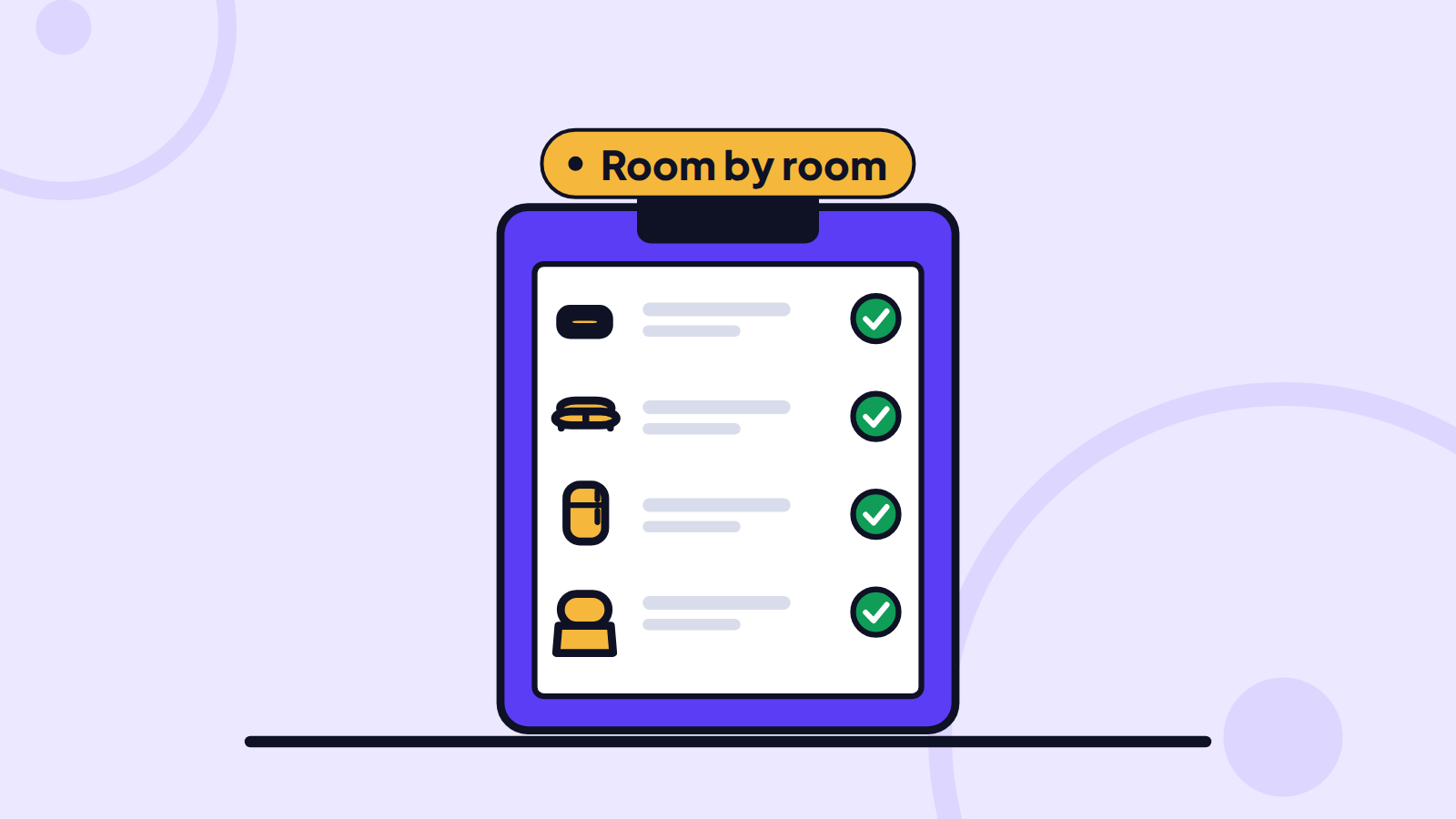
A home inventory is a record of everything you own, with the photos, details and values an insurer asks for. You can build one room by room in a single afternoon. Keep it away from your home and update it as you buy things. It makes a claim quicker to prove and shows whether you are underinsured.
Key takeaways
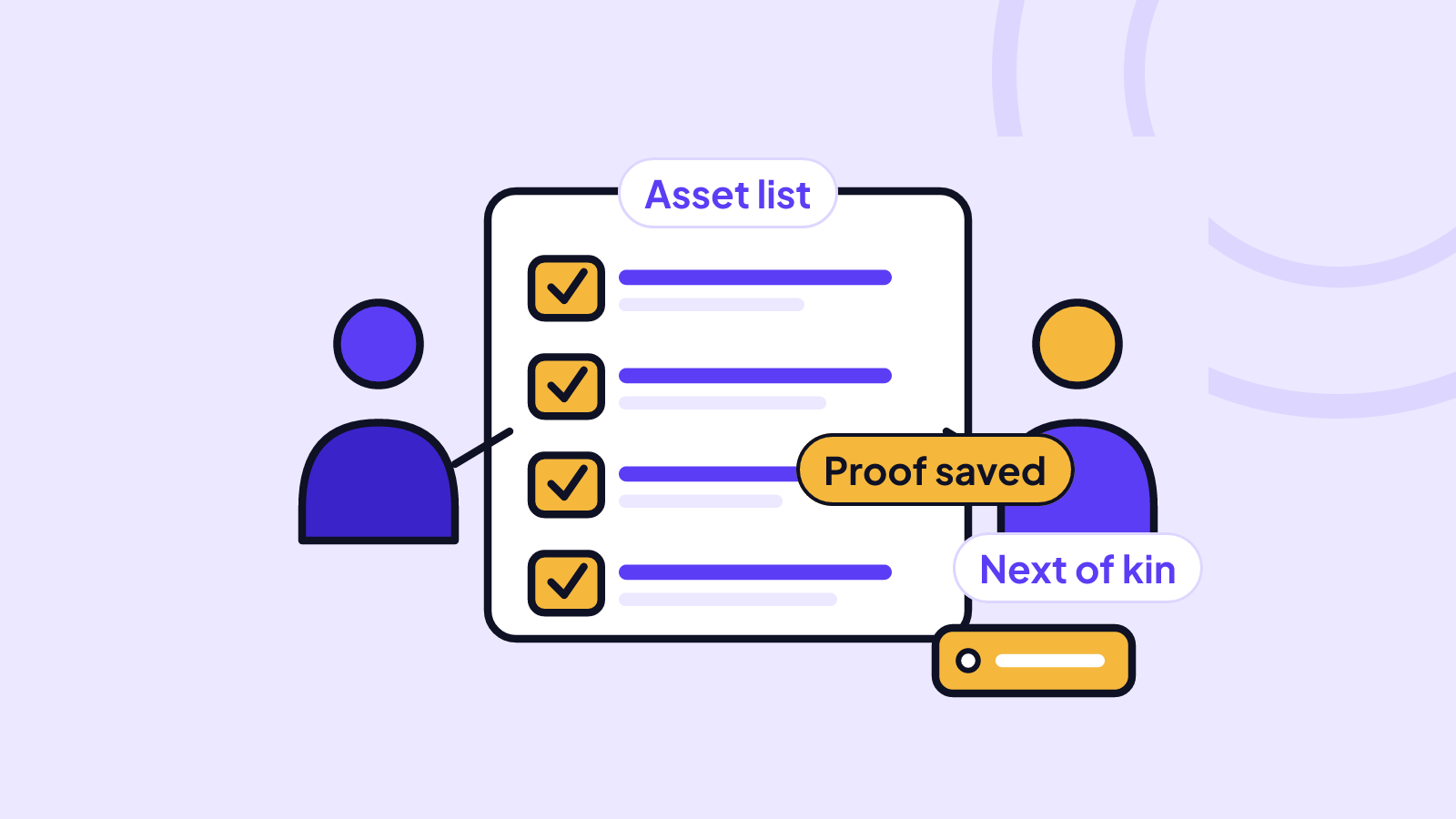
- Work room by room. For every item, record the make, model and serial number, when you bought it, the price, the receipt and photos.
- One afternoon is enough for a solid first version. If time is short, start with the ten items you would least want to lose.
- Keep the inventory away from your home, because a list in a drawer burns or floods with the house.
- Small items you forget add up. If your total is too low, the average clause can cut every claim.
Why is a home inventory worth doing now?
Most people could not list what is in their living room from memory. That becomes a problem when a fire, a flood in the rainy season, a burglary or a power surge damages several things at once. You then have to prove what you owned and what it was worth.
- Replacement costs change. When the naira weakens, imported phones, laptops, TVs and generators cost more to replace than when you bought them.
- One event can hit many items. A single surge can destroy the TV, decoder and fridge together.
- Homes hold more equipment. With remote work, side businesses and content creation, many homes now have laptops, cameras and lighting kits.
An inventory helps even if you never buy insurance. It shows what everything is worth in total, proves you own it, and helps you decide what to insure.
What should be on a household inventory checklist?
Go through the home one room at a time and open every cupboard and drawer.
Living room
- TVs, decoders, soundbars and speakers
- Game consoles and Wi-Fi routers
- Sofas, tables, rugs, curtains and artwork
- Air conditioners, standing fans and stabilisers
Kitchen
- Fridge, freezer, cooker and microwave
- Blender, kettle, toaster and water dispenser
- Gas cylinders, pots, cutlery and plates
Bedrooms
- Beds, mattresses, wardrobes and bedding
- Clothes, shoes, bags and traditional outfits
- Watches, jewellery, phones and any second TV
Study or home office
- Laptops, monitors and printers
- Cameras, lenses, microphones and ring lights
Utility areas and outside
- Generator, inverter, batteries and solar panels
- Washing machine, water pump and tools
- Anything in the store room, the boys' quarters, the compound or the car boot
Away from home
- Items kept at a relative's house, in a shop or in storage
What should you record for each item?
- Description: what it is and which room it is in
- Make and model: from the label, usually on the back or underside
- Serial number or IMEI: this links the item to you. On a phone, dial *#06# to show the IMEI.
- Date of purchase and where you bought it
- Price paid and today's replacement value, which is what the same or an equivalent item would cost new now
- Receipt or other proof: a receipt, invoice, transfer record or order email
- Photos: the whole item, a close-up of the serial label, and any marks that make it recognisable
Replacement value vs market value explains why the price you paid is not the right figure. How to value your assets gives a method for each type of item. For photos and proof an insurer will accept, see how to prove ownership and value for a claim.
How can you do it in an afternoon?
Set aside about three hours, or split the work into two shorter sessions over a weekend.
- Walk round and take photos (90 minutes). Take a wide shot of each room, then photograph the inside of cupboards and drawers. Get close-ups of valuable items, including the brand label and serial plate. As you go, note the make, model and roughly when you bought each item.
- Gather proof (60 minutes). Search your email, WhatsApp chats, bank and fintech app histories and delivery confirmations, and screenshot the purchases. If the receipt is gone, a transfer record that shows the seller's name can help.
- Add values (30 minutes). Look up today's price for an equivalent new item at a retailer you trust.
- Mark your top ten. Flag the items you would least want to lose and give them the best proof.
What do people forget, and how much does it add up to?
Adaeze lists her TV, fridge, generator, laptop and phone, and insures her contents for ₦3,500,000. When she walks through the house room by room, she finds what she left out:
- Bedroom TV: ₦280,000
- Two standing fans at ₦45,000 each: ₦90,000
- Microwave: ₦120,000
- Blender and food processor: ₦85,000
- Gas cylinder, pots and cutlery: ₦150,000
- Clothes, shoes and bags: ₦600,000
- Curtains and bedding: ₦250,000
- Stabilisers, extension boxes and tools: ₦75,000
The forgotten items come to ₦1,650,000, so her contents are really worth ₦3,500,000 + ₦1,650,000 = ₦5,150,000.
Now suppose a burglary costs her ₦1,000,000. Many policies apply the average clause. Under this rule you are paid only the same share of a loss as your sum insured (the most the policy will pay) is of the true value. Her payout is ₦1,000,000 x (₦3,500,000 ÷ ₦5,150,000), about ₦679,600, before any excess. She is about ₦320,400 short because of items she forgot.
Fixing the gap usually costs far less. As an illustration, at a householder's rate of 0.95% a year, insuring the extra ₦1,650,000 adds ₦15,675 a year. Cova quotes your exact figure before you pay.
Where should you keep it, and how do you keep it current?
An inventory kept in a drawer burns or floods with the house, and one that exists only on your phone can be stolen with it. Keep at least one copy away from your home, such as in cloud storage, in an email to yourself or on a relative's device.
VaultLog is VaultCova's free asset register. It keeps each item's photos, receipt, serial number and value together, away from your home, and you can download the whole register as a PDF schedule of assets.
To keep it current:
- Add new purchases the day you buy them, with a photo of the receipt.
- Remove items you sell, give away or throw out.
- Add gifts and inherited items.
- Check values at least once a year, ideally before renewal. Check imported electronics sooner if prices jump.
How does an inventory speed up a claim?
When you claim, the insurer asks whether the item existed, whether it was yours and what it was worth. A theft claim usually also needs a police report. With an inventory, you already have the list of what was lost, with photos, serial numbers and receipts. You can send everything on the first day instead of spending weeks searching, and there is less to argue about.
The same list gives you an accurate total to insure, so the average clause does not cut your claim. On VaultCova, an item with a photo or receipt on file also avoids the 10% loading, an extra charge added to the premium for items with no proof.
Frequently asked questions
What is the easiest way to make a home inventory?
Walk through each room with your phone. Take a wide photo, then close-ups of valuable items and their serial labels, and note each item's make and model. Add receipts and values afterwards.
Is a video walkthrough enough for a home inventory?
A video is a good start because it shows what was in each room. It rarely shows serial numbers or prices clearly, though, so add close-up photos and receipts for valuable items.
Do I need receipts for everything in my home inventory?
No. Receipts are the strongest proof, but bank statements, transfer records, order emails, warranty cards and photos of the item in your home all help. Concentrate on receipts for your more valuable items.
How often should I update my household inventory?
Add items when you buy them and remove what you get rid of. Check all the values at least once a year, ideally before renewal.
Can a home inventory lower my insurance premium?
It helps you avoid paying for cover you do not need, and it stops you underinsuring. On VaultCova, items with a photo or receipt on file are not charged the 10% loading.
Start a free vault, go through one room today, and ask Cova about cover when you are ready.