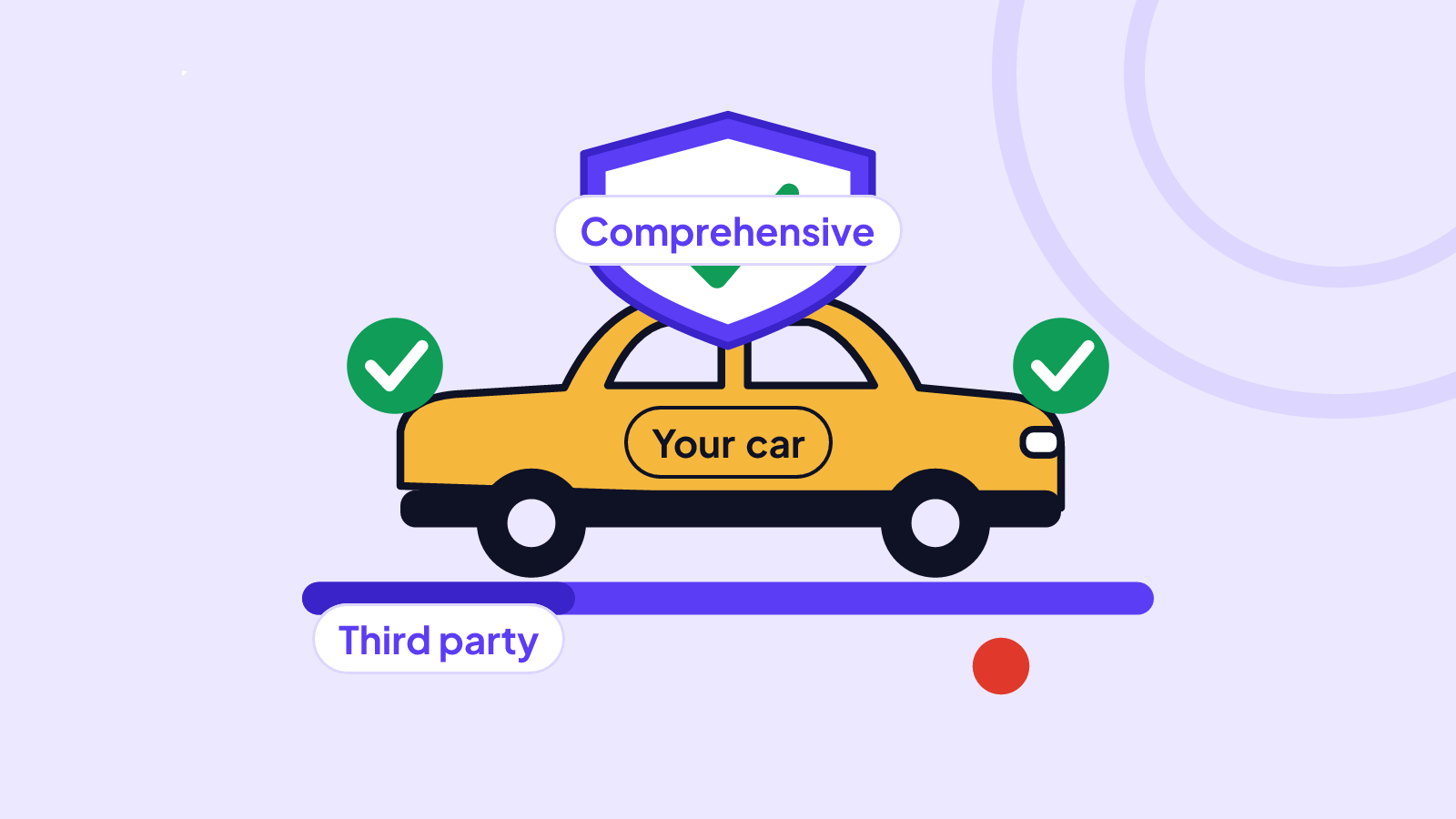
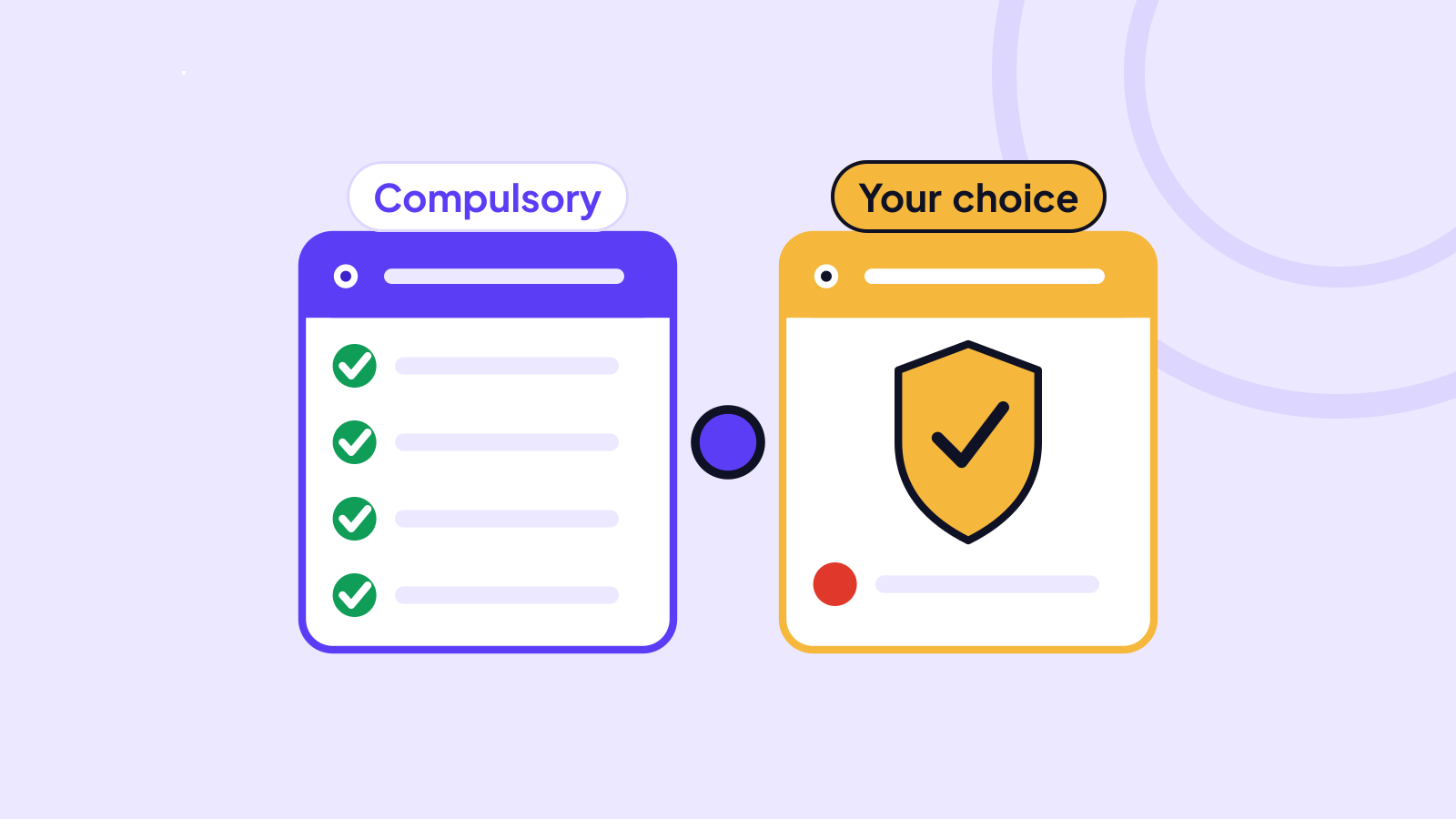
What Is Comprehensive Insurance? Comprehensive vs Third-Party
Comprehensive motor covers your own car as well as harm you cause others; third-party is only the legal minimum. What each covers, how the premium is worked out, and when third-party is enough.
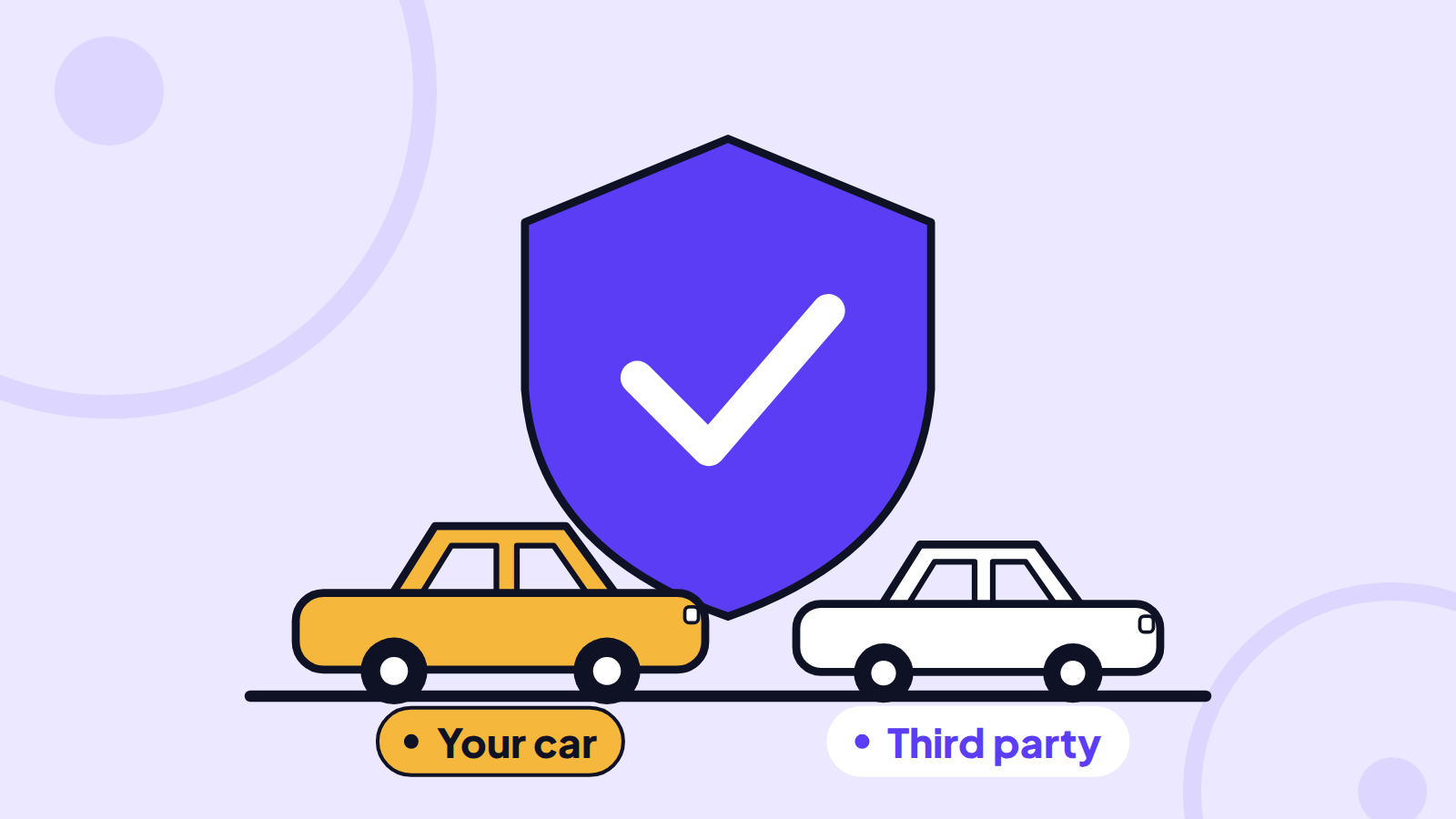
Comprehensive insurance is the widest level of motor cover: it pays for accidental damage to your own car, fire and theft of it, and your legal liability to other people. Third-party insurance, the legal minimum, covers only the harm you cause to others. Outside motor, "comprehensive" usually means all risks cover for an item.
Key takeaways
- Comprehensive motor covers your own car (accidental damage, fire, theft) plus your liability to other people.
- Statutory third-party is the minimum the law requires to drive and never pays for your own car.
- The comprehensive premium is usually a percentage of the car's value, so the sum insured matters.
- Comprehensive is not unlimited: exclusions, the excess and the sum insured still apply.
- Third-party only can make sense for a low-value car you could afford to replace yourself.
What does comprehensive car insurance cover?
A comprehensive motor policy usually covers four things:
- Accidental damage to your vehicle, whether you hit something, something hits you, or the car overturns, even when the accident is your fault.
- Fire damage to the vehicle.
- Theft of the vehicle, and damage done in an attempted theft.
- Your legal liability to others: death or injury to other people, and damage to their property, such as another car, a shop front or a fence.
Wordings vary, and your own policy always governs. If you drive where roads flood in the rains, ask whether flood damage to the car is included in the accidental damage cover before you rely on it.
How is comprehensive different from third-party?
Third-party insurance covers your legal liability for death or injury to other people, which the law leaves unlimited, and damage to their property up to the third-party property limit. It is the minimum cover the law requires to drive, and it is sold at a flat, regulated annual premium. Our guide to compulsory insurance under the NIIRA Act 2025 explains which covers the law requires.
The difference shows up the moment you have an accident. Say you run into the back of a bus in go-slow traffic on a wet morning:
- With third-party only, the bus owner's repair is covered. The repair to your own car, perhaps ₦1,500,000 for a crumpled bonnet and radiator, is yours to pay.
- With comprehensive, both are covered, less the excess on your own claim.
If your car is stolen from outside your house or burnt out, third-party pays nothing at all. Comprehensive pays, subject to the policy's conditions.
What does comprehensive insurance not cover?
Comprehensive is wide, not unlimited. The usual exclusions are:
- An unlicensed or unauthorised driver at the wheel.
- Driving under the influence of drink or drugs.
- Use outside the permitted purpose, for example running the car for hire or ride-hailing when it is insured for private use, or racing.
- Wear and tear, and mechanical or electrical breakdown.
- Tyre damage from braking, punctures or cuts.
- Loss of use, such as transport costs while the car is being repaired.
- Personal belongings left in the car.
Conditions matter too. Keep the vehicle roadworthy and secured, and fit an immobiliser or tracker if the wording requires one. A theft claim on a car without a required tracker can be refused.
How is the comprehensive premium worked out?
The premium is usually a percentage of the car's value, which becomes the sum insured, the most the policy will pay for the car. For motor, that value is usually the current market value: what it would cost to buy a similar car of the same make, model, age and condition today.
A worked example. Tunde's car would cost ₦12,000,000 to buy again in its current condition. For illustration, at a rate of 5% a year:
- ₦12,000,000 × 5% = ₦600,000 a year.
Cova quotes your exact figure before you pay. The underwriter may adjust the rate for the car, the driver and how it is used.
At claim time the excess applies. The excess is the first part of each claim you carry yourself. If a repair costs ₦900,000 and the excess were, say, ₦50,000, the underwriter pays ₦850,000. See how the excess works.
Used car prices in naira can climb quickly when the currency weakens, so a car insured at last year's value may now be underinsured. On a total loss, the most you can receive is the sum insured, and some wordings also scale down partial claims when the sum insured is too low. Check the figure at every renewal. Our guide to the average clause shows how underinsurance shrinks a payout.
What is a no-claim discount?
A no-claim discount is a reduction in your premium at renewal for each year you go without a claim. It is standard market practice, it usually builds over several claim-free years, and a claim usually reduces it. The size and the scale differ between underwriters.
That creates a real choice on small claims. If a scratched bumper costs ₦120,000 to fix and claiming would cost you more than that in lost discount over the next few years, paying for it yourself can be the cheaper option.
On VaultCova, VaultRewards works alongside this: policyholders earn a claim-free cashback on their premium that grows with each claim-free year, and a claim resets the tier.
When does third-party only make sense?
Comprehensive is not always the right buy. Third-party only can be reasonable when:
- The car is worth little. For a car worth ₦2,000,000, comprehensive at the illustrative 5% would be ₦100,000 a year. If you could replace the car from savings, you may prefer to carry that risk yourself.
- The car is rarely driven and is kept in a secure compound.
- You have the cash to cover your own repairs and would not claim for small damage anyway.
Comprehensive is usually the better choice when the car is new or valuable, when you rely on it for work, when it is financed (lenders usually require comprehensive cover), or when you park on the street in an area where theft and flood damage are real risks.
Through VaultCova you can move from statutory third-party up to comprehensive at any time, not only at renewal. Our car insurance page sets out both options.
Does "comprehensive" mean the same thing outside motor?
Not quite. For homes, gadgets, jewellery and equipment, people say "comprehensive" when they mean the widest available cover, which in insurance terms is usually all risks. All risks covers accidental loss or damage from any cause not specifically excluded, rather than a list of named events such as fire and burglary. Like comprehensive motor, it still has exclusions, an excess and a sum insured. See what all risks covers and what it does not.
Frequently asked questions
Is comprehensive insurance compulsory?
No. The law requires third-party motor insurance as the minimum to drive. Comprehensive is optional, though a lender financing your car will usually require it.
Does comprehensive insurance cover someone else driving my car?
Only if they are licensed and authorised to drive under your policy. An unlicensed or unauthorised driver is a standard exclusion, so check who your policy allows before lending the car.
Does comprehensive insurance cover things stolen from my car?
Usually not. Personal belongings left in the car are excluded from comprehensive motor. Portable items such as phones and laptops need their own all risks cover.
Is comprehensive worth it for an old car?
It depends on the car's value and your savings. If the yearly premium is a large share of what the car is worth and you could replace it yourself, third-party only may be enough. If losing the car would leave you stranded, comprehensive is usually worth it.
Can I switch from third-party to comprehensive in the middle of the year?
Yes. Moving statutory third-party up to comprehensive can be done at any time, not only when the renewal window opens.
Start a free vault on VaultCova, log your car with its current value and papers, and ask Cova what each level of cover would cost.