Car insurance in Nigeria: cover, cost and claims
Third-party is the legal minimum; comprehensive also covers your own car against accident, fire and theft. What each covers, what it costs, what you need and how claims work.
Car insurance in Nigeria comes in two levels. Statutory third-party is the legal minimum: it pays for injury or damage you cause to other people, but nothing towards your own car. Comprehensive adds cover for your own vehicle against accidental damage, fire and theft, and is priced as a percentage of what the car is worth.
Key takeaways
- Third-party motor insurance is the minimum the law requires to drive, sold at a flat, regulated annual premium.
- Third-party never pays for your own car, even if the accident was not your fault and the other driver cannot pay.
- Comprehensive covers your car as well; for illustration, at 5% a year a ₦12,000,000 car costs ₦600,000 to insure.
- Report theft, or any accident where someone is hurt, to the police, and never admit liability at the scene.
- A loss can only be claimed while the policy period it happened in is still running.
What does third-party car insurance cover?
A third party is anyone other than you and your insurer: another motorist, a pedestrian, or the owner of the wall you hit. Statutory third-party cover pays your legal liability for death or injury to other people, which the law leaves unlimited, and for damage to their property up to the third-party property limit.
It is compulsory for every vehicle on the road, and the flat, regulated premium does not depend on what your car is worth. Our guide to compulsory insurance and the NIIRA Act 2025 explains where this requirement comes from.
What it usually does not cover:
- any loss of or damage to your own vehicle
- fire or theft of your vehicle
- your own injuries
If your car is stolen in traffic or written off, third-party pays you nothing.
What does comprehensive car insurance cover?
Comprehensive motor insurance covers accidental damage to your vehicle, fire and theft of it, plus the same legal liability to other people and their property that third-party gives. See what comprehensive insurance means for more.
Even comprehensive has limits. It usually excludes:
- an unlicensed driver, or anyone you have not authorised to drive
- driving under the influence of drink or drugs
- use outside the permitted purpose, such as running the car for hire or racing it
- wear and tear, and mechanical or electrical breakdown
- tyre damage from braking, punctures or cuts
- loss of use, such as taxi fares while the car is in the workshop
- personal belongings left in the car
Usual conditions are that you keep the car roadworthy and secured, fit an immobiliser or tracker where the wording asks for one, and carry the excess on each claim. A claim-free record usually earns a no-claim discount.
How much does comprehensive cover cost?
The main factor is the value you insure the car for. For illustration, at a rate of 5% a year:
- car value: ₦12,000,000
- premium: ₦12,000,000 x 5% = ₦600,000 a year
Cova quotes your exact figure before you pay.
Now suppose the car is damaged in a collision and repairs cost ₦1,800,000, and the excess on your schedule is, say, ₦100,000. The excess is the first part of each claim that you carry yourself. The underwriter pays ₦1,800,000 - ₦100,000 = ₦1,700,000. Our guide on how insurance excess works shows how to choose a level you can live with.
Underinsuring to save premium usually backfires. If you insure that ₦12,000,000 car for ₦8,000,000 and it is stolen, you would generally receive no more than ₦8,000,000, less the excess, and some wordings also scale down partial claims. With used car prices rising as the naira weakens, check the value every year.
What do you need to buy car insurance?
Have these ready:
- make, model and year of the vehicle
- plate number, chassis number and engine number
- the value you want to insure for comprehensive cover (what it would cost to buy a similar car today)
- clear photos of the car from each side
- your driver's licence and vehicle papers, which you will also need for any claim
On VaultCova, cover can always be bought without them, but an item with no photo or receipt on file is priced 10% higher. On the ₦600,000 example above, that is an extra ₦60,000, which a few phone pictures remove.
Cova runs the whole purchase in the chat: photos, choice of cover, quote, payment, then the policy and certificate. Cover starts once it is paid.
How do car insurance claims work?
After an accident or theft:
- Make sure everyone is safe and get medical help for anyone hurt.
- Do not admit liability, promise to pay, or agree a settlement with the other driver. Leave that to the underwriter.
- Report theft, or any accident where someone was injured, to the police and get a police report. Our guide to police reports for insurance claims explains what to ask for.
- Take photos of the scene, all vehicles involved, plate numbers and the damage, and note the other driver's details.
- Tell the underwriter promptly. You can file with Cova from the chat.
The usual documents are the claim form, photos, the police report where relevant, your driver's licence and the vehicle papers. If another person later writes to claim against you, send us the letter and do not pay them yourself. Our step-by-step claims guide covers the full process.
How do renewal and the policy period work?
Motor cover runs for a fixed policy period, usually a year. On VaultCova, renewal opens in the last 30 days of the term and never earlier, and reminders arrive 30, 7 and 1 day before the cover ends and on the day itself. Moving from third-party up to comprehensive does not have to wait for renewal: you can do it at any time.
The policy period rule applies to every claim. The accident or theft must happen within the current period, and the claim must be made while that period is still running. Once a period ends, by renewal or by lapse, nothing that happened in it can be claimed, on that policy or on the new one. So report a loss before your cover ends. A higher value set at renewal only applies to incidents in the new period.
Frequently asked questions
Is third-party insurance enough for my car?
It is enough to drive legally, but it pays nothing towards your own car. If losing the car to theft, fire or a crash would hurt your finances, comprehensive is the cover that replaces it.
Can I upgrade from third-party to comprehensive before renewal?
Yes. Moving statutory third-party up to comprehensive can be done at any point in the term. You will need the car's value and photos for the comprehensive quote.
Does comprehensive insurance cover theft of the car?
Yes, theft of the vehicle is one of the main things comprehensive covers. Report it to the police straight away and get a police report, as the underwriter will ask for it.
Are my belongings inside the car covered?
Usually not. Personal belongings left in the car are a standard exclusion on motor policies, so laptops and phones need their own all risks cover, which VaultCova can arrange.
Does making a claim raise my premium?
A claim usually costs you your no-claim discount at renewal. On VaultCova, lodging a claim also resets your VaultRewards cashback tier, though cashback already earned stays yours.
Log your car in a free vault and ask Cova what each level of cover would cost.
Cover it in minutes, not days
Log what you own, get the cover that fits you from licensed underwriters, and pay in the app.
Insure my carRead next
All resources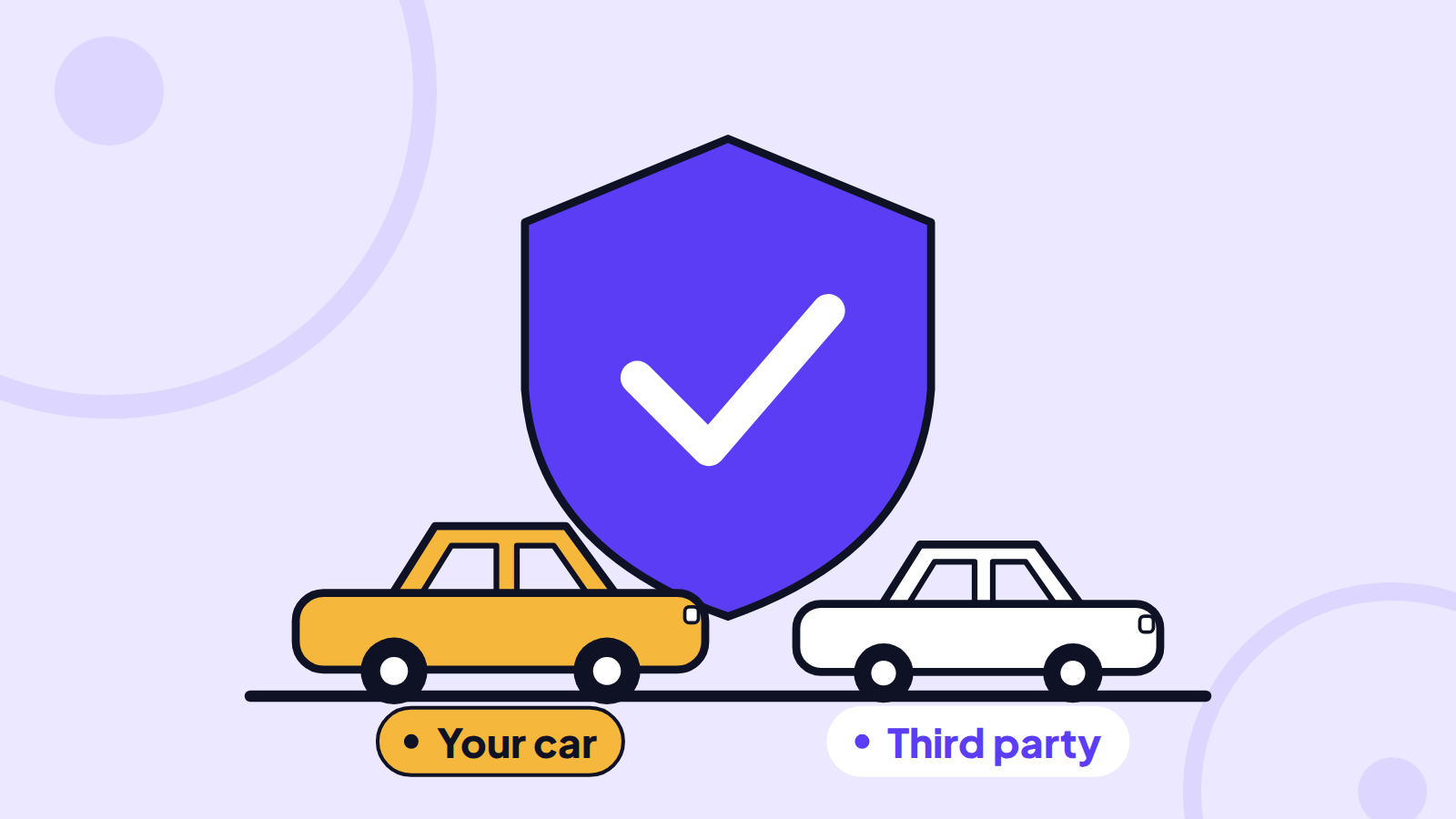
What Is Comprehensive Insurance? Comprehensive vs Third-Party
Comprehensive motor covers your own car as well as harm you cause others; third-party is only the legal minimum. What each covers, how the premium is worked out, and when third-party is enough.
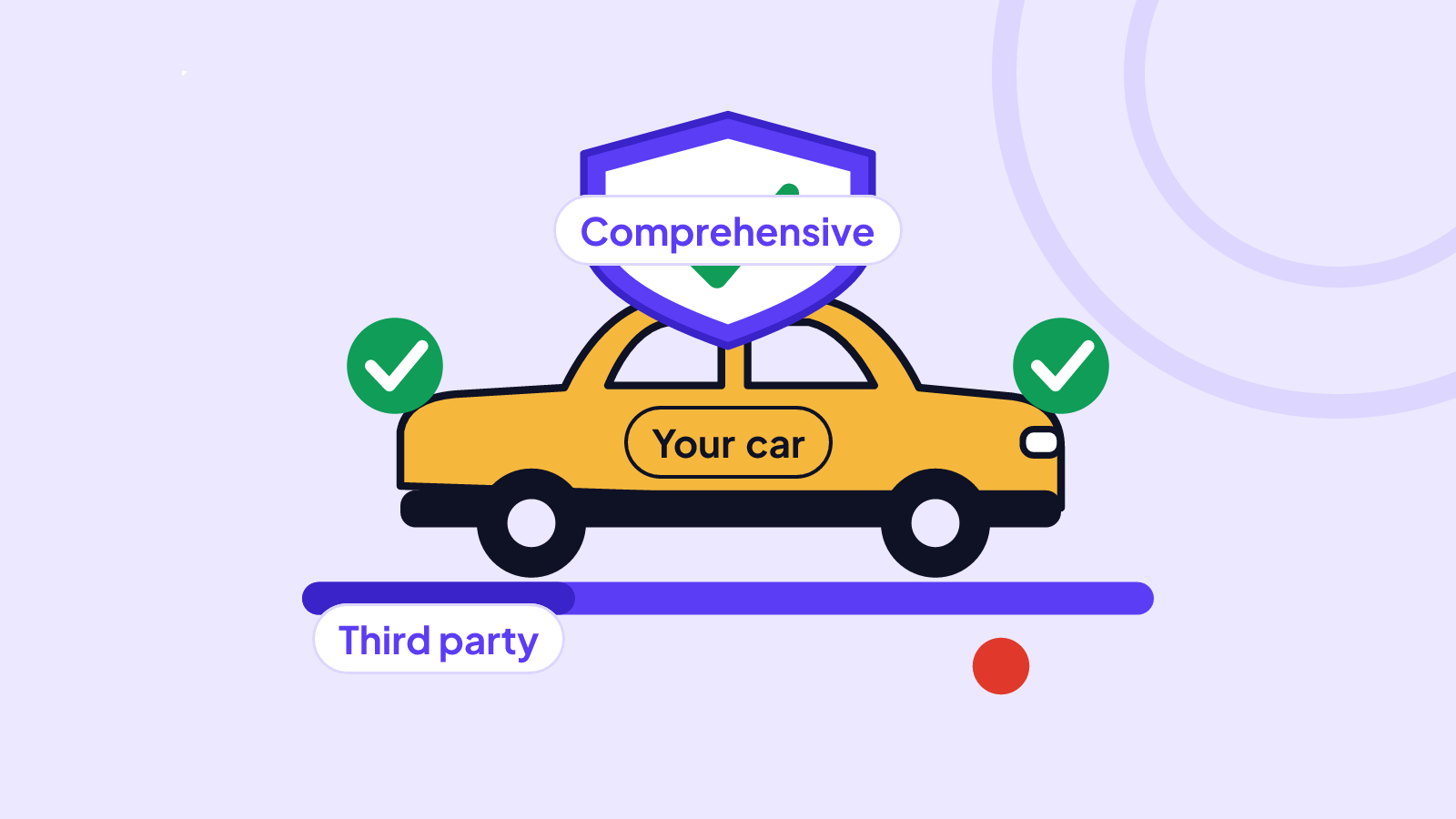
Best Car Insurance: Why You Need More Than Third Party
The best car insurance is the cover that repairs or replaces your own vehicle, not just the legal minimum. See what third-party leaves out and how to choose between comprehensive and Autobase plans.
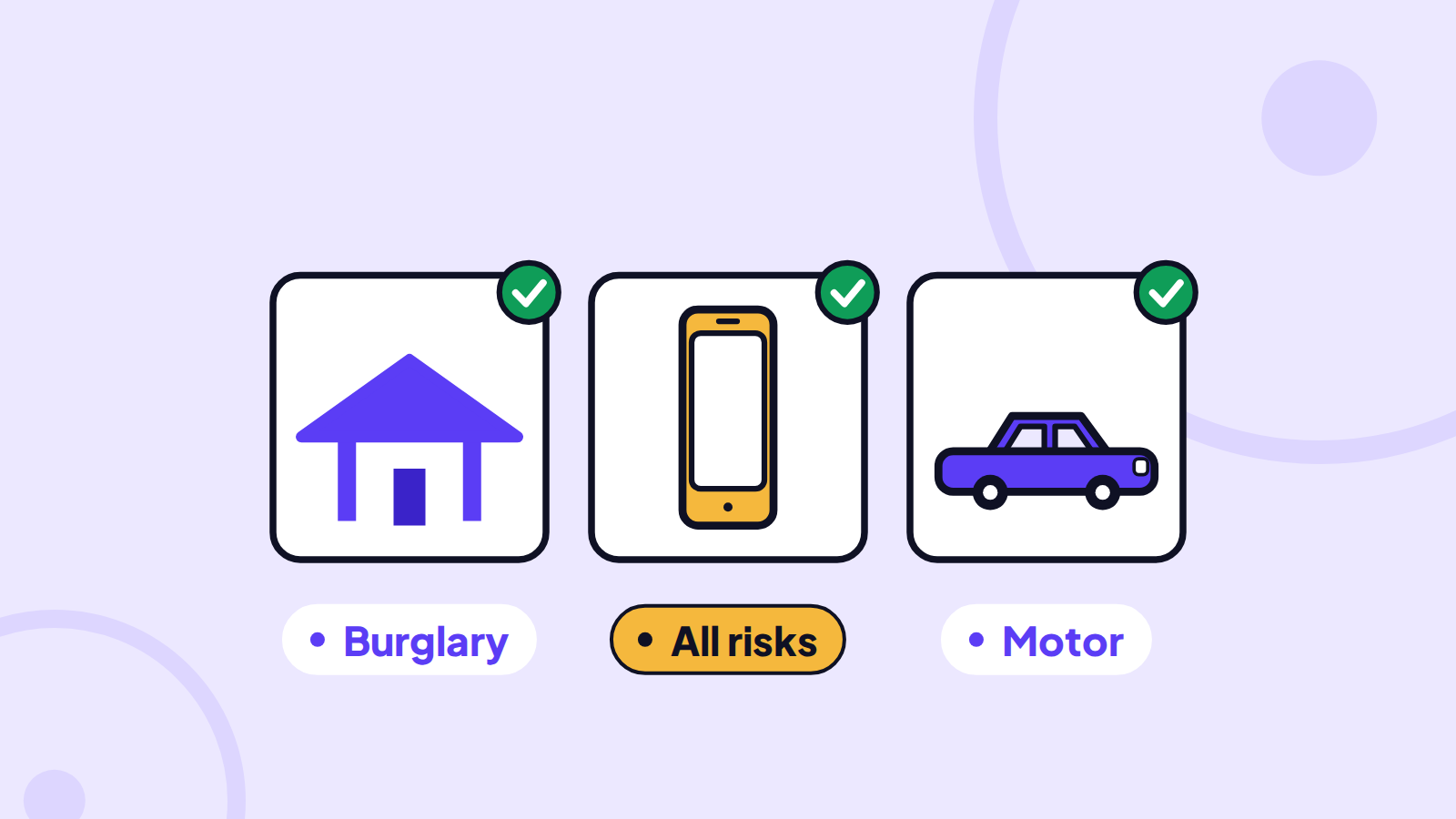
Does Insurance Cover Theft? Which Policies Pay and When
Burglary, householder's, all risks and comprehensive motor all cover theft, each on different terms. Here is what pays, what never does, and how the average clause affects a claim.