How to Insure Your Phone: Cover, Cost and Claims
The right cover for a phone, what it pays for and excludes, a naira cost example, what you need to claim, and how to insure a phone bought second-hand or abroad.
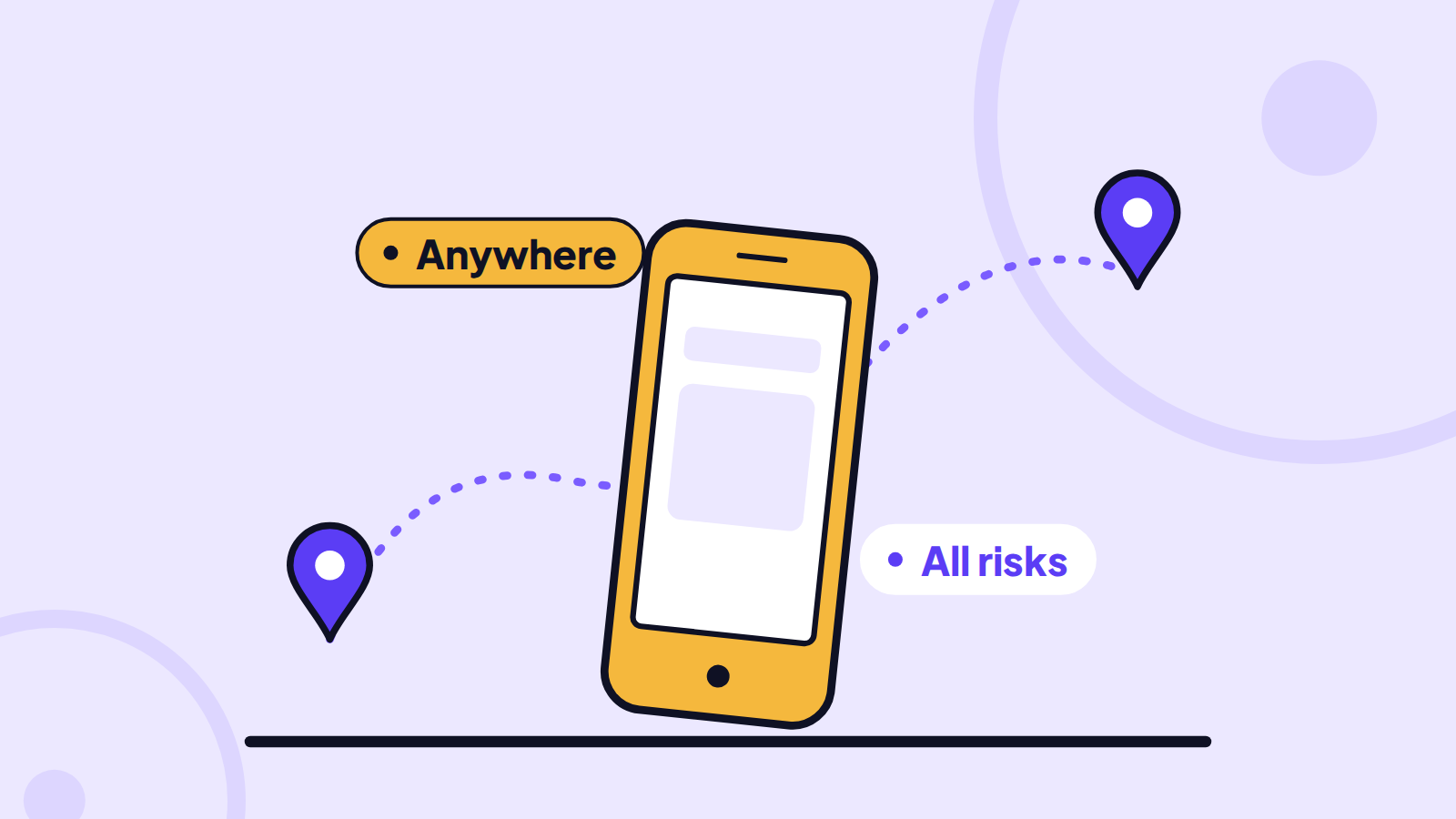
To insure your phone, put it on an electronic equipment all risks policy, which covers accidental damage and, under most wordings, theft away from home, rather than a home policy tied to one address. Insure it for what the same phone costs today, keep the receipt, photos and IMEI on file, and know the exclusions before you claim.
Key takeaways
- The cover that fits a phone is electronic equipment all risks, because it follows the phone outside your home.
- Drops, cracked screens, liquid damage and theft by force are usually covered; unattended phones, unexplained loss and wear and tear usually are not.
- Premium is a percentage of the sum insured, and a phone with no photo or receipt on file is priced 10% higher.
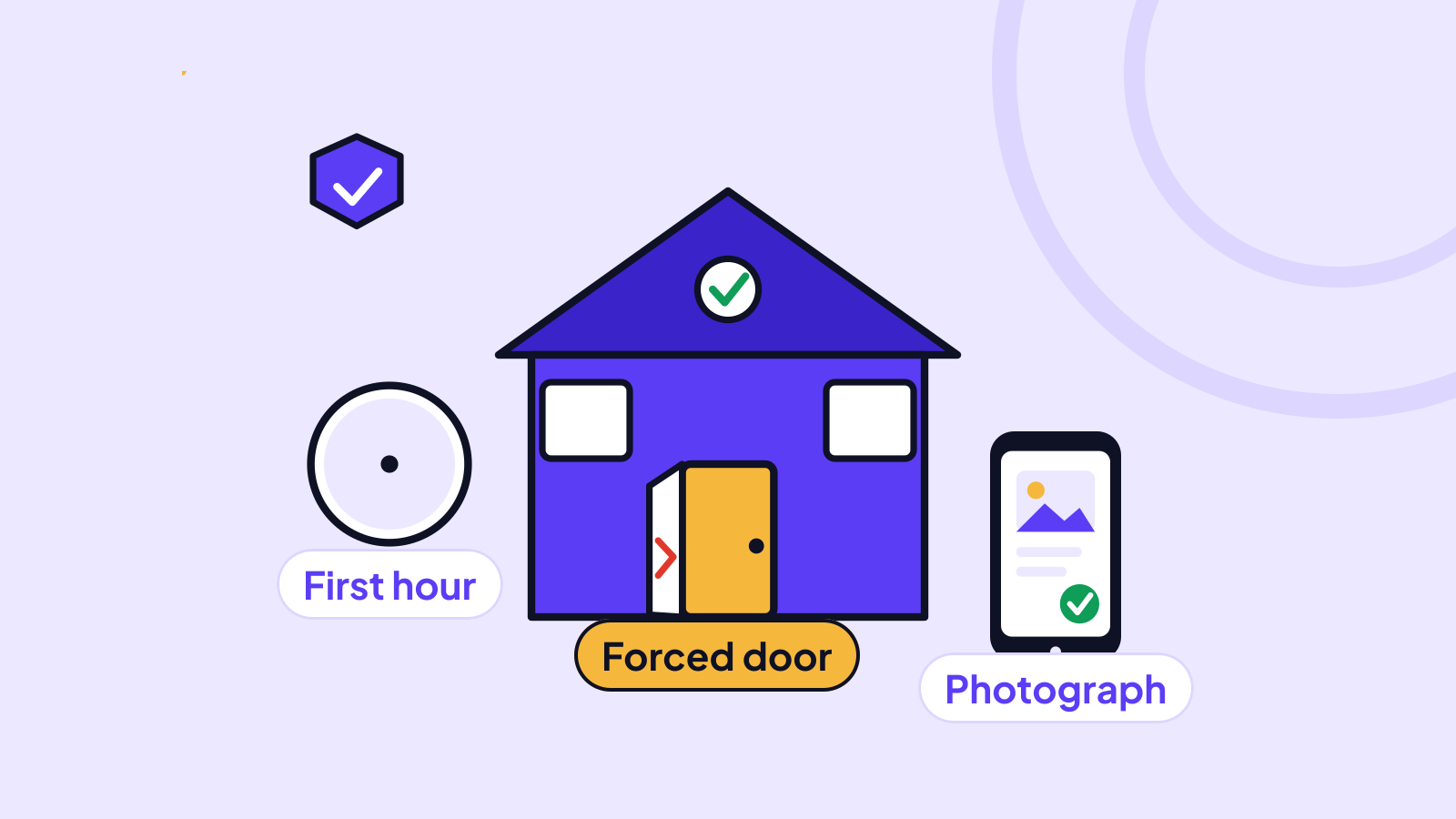
- For a theft claim you will need a police report, the IMEI, proof of purchase and photos.
- A phone bought second-hand or abroad can be insured, as long as you declare it and keep whatever proof of ownership you have.
Which insurance covers a phone?
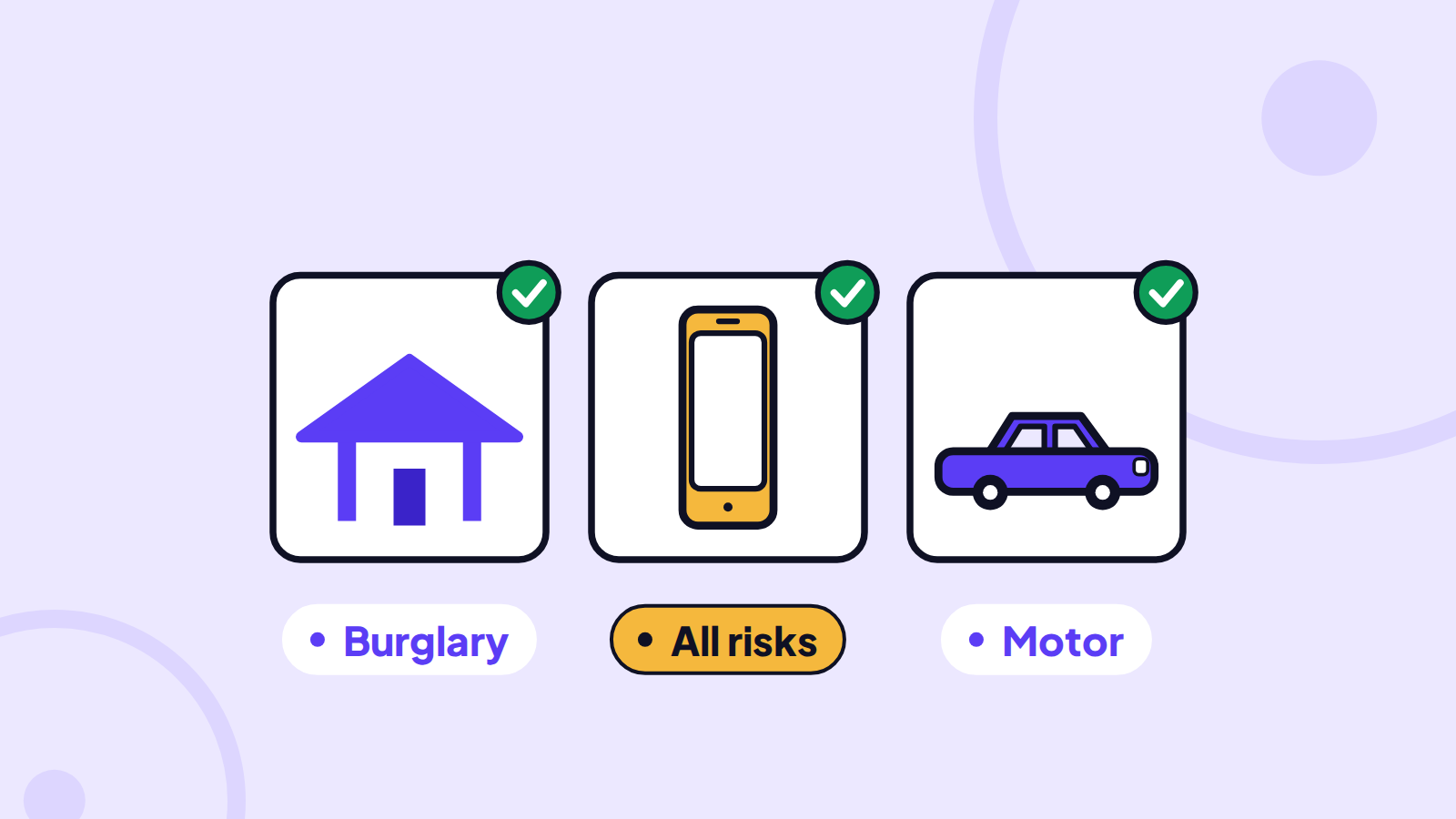
A phone lives in your pocket, on a bus, on a desk at work and on the bedside table, so it needs cover that moves with it. The right class is electronic equipment all risks. All risks means the policy covers accidental loss or damage from any cause that is not specifically excluded, rather than a short list of named events.
A householder's policy, which covers your home and its contents against fire, burglary and named perils, is the wrong fit. Its theft cover usually only responds to forced entry into the home, so a phone snatched at a bus stop or lifted through a car window in go-slow traffic falls outside it. Our guide to what all risks cover does and does not include explains the class in more detail.
Cover applies within the territorial limits shown on your schedule. If you travel often, check whether those limits include where you are going before you rely on them.
What does phone insurance cover, and what does it exclude?
Wordings differ, so your own policy always governs, but the usual position looks like this.
Usually covered
- Drops and impact, including a cracked screen after the phone falls from your hand or slips off a table.
- Liquid damage, such as a phone dropped in water, caught in heavy rain or soaked by a spilled drink.
- Power surges and short circuits while charging, a real risk where supply flickers or the generator is switched over.
- Theft by force, such as a phone snatched from your hand on the street or taken at knifepoint in traffic, reported to the police. Some electronic equipment wordings limit theft to forced entry into a building or locked vehicle, so ask whether yours covers theft away from home.
Usually excluded
- Unattended phones, for example one left on a restaurant table while you step away, or on the seat of a parked car.
- Unexplained loss, where you cannot say how, when or where the phone went missing.
- Wear and tear and cosmetic damage, such as scratches, a tired battery or a loose charging port.
- Faults covered by the manufacturer's warranty, or electrical breakdown with no outside cause.
- Loss of data, apps or software, unless the policy is extended.
How much does it cost to insure a phone?
Premium is the price of the cover, and for all risks it is usually a percentage of the sum insured, the amount you insure the phone for. The sum insured should be the phone's replacement value: what it costs to buy the same model, new, today.
A worked example. Say your phone would cost ₦800,000 to replace today. For illustration, at a rate of 2.75% a year:
- ₦800,000 × 2.75% = ₦22,000 a year.
Cover can always be bought without a photo or receipt, but an item with nothing on file is priced 10% higher because the underwriter carries more uncertainty:
- ₦22,000 × 1.10 = ₦24,200 a year.
Adding a photo before you pay removes that ₦2,200 loading. Cova quotes your exact figure before you pay.
At claim time the excess applies. The excess is the first part of each claim you carry yourself. If a screen repair costs ₦180,000 and your excess were, say, ₦15,000, the underwriter would pay ₦165,000. See how the excess works.
What do you need to make a phone claim?
Claims succeed on proof. Gather these the day you buy the phone, not the day it goes missing.
- The IMEI. Dial
*#06#and save the number, or photograph it on the box. It proves the phone was yours and lets your network block it. - Proof of purchase. A receipt, invoice, bank transfer record or order confirmation.
- Photos. A clear photo of the phone, front and back, plus the box showing the IMEI label.
- A police report for theft. Report a theft promptly and get a written report; underwriters usually require it, and the wording may set a deadline. Our guide to getting a police report for an insurance claim walks through it.
- For damage: a repair quotation or report, and the damaged phone itself, which the underwriter may want to see.
Stop using a damaged phone, tell the underwriter quickly, and keep your messages with the repair shop. For more on building that file, see how to photograph and document your valuables. In VaultCova, VaultLog keeps the IMEI, photos and receipt with the phone's entry, and Cova reads them when you file.
Can you insure a phone bought second-hand or abroad?
Usually, yes, with a little extra care.
Second-hand phones. Tell the underwriter the phone was bought used. Insurance runs on utmost good faith, meaning you must disclose every fact that would affect the risk, and leaving this out could put a claim at risk. Before you buy, check that the IMEI on the screen matches the box and that the phone has not been reported stolen. Keep the seller's receipt or the transfer record and your chat with the seller, because these stand in for a shop receipt as proof of ownership.
Phones bought abroad. A phone bought on a trip or sent by family is insured like any other, but keep the foreign receipt and note the price paid. Set the sum insured at what it would cost to replace the phone locally today, which is often higher than the overseas price once import costs and exchange rates are counted. A weaker naira can push that figure up within months, so review it at renewal.
Should you insure your phone and laptop together?
If you carry a phone and a laptop, a tablet or a camera, putting them on one all risks policy keeps everything under one renewal date and one document. On VaultCova, insuring several assets in one policy earns a saving of up to 6% on Individual Vault and above, depending on the asset types and how risky they are.
A laptop raises different questions from a phone, such as where you work and how it travels, so read how to insure your laptop for that side.
Frequently asked questions
Does phone insurance cover a cracked screen?
Usually yes, when the crack comes from a sudden accident such as a drop. Scratches and general wear are treated as cosmetic and are not covered.
Is my phone covered if it is stolen in traffic?
If someone snatches it through a window or takes it by force while you are there, an all risks wording that covers theft away from home usually responds, provided you report it to the police. A phone left on the seat of a parked car is a different case and is usually excluded. Check the theft section of your own wording.
What happens if I simply lose my phone?
Unexplained loss, where you cannot say how the phone went missing, is usually excluded. If you know it was stolen, report it to the police and explain exactly what happened. Being clear and honest about the circumstances matters more than anything else.
Can I insure a phone that is already a year or two old?
Yes. Insure it for what the same model would cost to replace now, and add a recent photo so the underwriter can see its condition. Damage that already exists is not covered, so repair it first or point it out.
Do I need the receipt to insure my phone?
No, cover can be bought without one, but a phone with no photo or receipt on file is priced 10% higher. A receipt or bank record also makes a claim faster, so keep a copy if you can.
Start a free vault on VaultCova, log your phone with its IMEI and photos, and ask Cova for a quote when you are ready.